
Pool Acid Wash, Pressure Wash & Paint Services in Warren & Bernardsville, NJ
A pool surface that has accumulated years of staining, scaling, algae penetration, and discoloration does not always require full replastering to be restored. For pools where the underlying plaster or concrete surface remains structurally sound, acid washing and pressure washing are highly effective methods for stripping away surface contamination and returning the pool to a clean, presentable condition. For pools where the surface has been previously painted or where painting is the preferred finish approach, professional pool painting delivers a refreshed appearance and a protective coating that extends surface life. Unlimited Pools LLC provides acid washing, pressure washing, and pool painting services for residential pools throughout Warren and Bernardsville, NJ, handling each service with the proper equipment, materials, and technique to produce lasting results.
Call Unlimited Pools LLC
today to schedule your pool acid wash, pressure wash, or painting service in Warren or Bernardsville, NJ.
•POOL ACID WASH, PRESSURE WASH & PAINT
Pool Acid Washing: What It Does and When It's Needed
Acid washing is one of the most effective surface restoration methods available for concrete and plaster pool surfaces, but it is a process that removes material from the pool surface and should only be performed when the condition of the pool genuinely warrants it. Understanding what acid washing accomplishes — and what it cannot fix — is essential for determining whether it is the right service for your pool's current condition.
Acid washing involves draining the pool completely and applying a diluted muriatic acid solution directly to the plaster or concrete surface. The acid reacts with the calcium compounds in the plaster, dissolving the outermost layer of material along with the staining, scaling, and discoloration embedded within it. The result is a fresh layer of plaster exposed beneath the contaminated surface, giving the pool a noticeably cleaner and brighter appearance.
When Acid Washing Is the Right Choice
Acid washing is most appropriate for pools that have developed heavy organic staining from algae blooms, persistent metal staining from iron or copper in the water, widespread calcium scaling that has roughened and discolored the surface, or general surface darkening from years of chemical exposure. It is also the standard treatment following a severe algae infestation where algae has penetrated deep into the plaster pores and cannot be removed through normal chemical shocking and brushing.
What Acid Washing Cannot Fix
Acid washing removes surface contamination but does not repair structural problems. Cracks, delamination, chipping, and plaster that has thinned to the point of failure are not addressed by acid washing — these conditions require replastering. Because each acid wash removes a layer of plaster material, pools can only be acid washed a finite number of times before the plaster becomes too thin to support another application. Unlimited Pools LLC evaluates plaster thickness and overall surface condition before recommending acid washing to confirm the plaster can support the process without being compromised.
Contact
Unlimited Pools LLC
to find out if acid washing is the right solution for your pool in Warren, NJ — call now for a surface assessment.
Pressure Washing Pool Surfaces and Surrounds
Pressure washing serves a different but complementary purpose to acid washing in pool surface maintenance and restoration. While acid washing addresses chemical staining and contamination embedded within the plaster surface itself, pressure washing removes surface-level buildup from pool walls, floors, coping, decking, and surrounding hardscape using high-pressure water delivery.
Pressure Washing the Pool Interior
For pools where surface deposits, algae growth, and general buildup are primarily on the surface rather than embedded within the plaster, pressure washing the drained pool interior removes this material efficiently and prepares the surface for inspection, painting, or chemical treatment. Pressure washing is frequently performed in combination with acid washing as part of a comprehensive surface restoration — pressure washing removes loose surface material and deposits first, and acid washing addresses the deeper staining and contamination that pressure alone cannot lift.
Pressure Washing Pool Decking and Coping
The surfaces surrounding a pool accumulate their own significant buildup over a swim season — algae growth in shaded areas, calcium deposits from splash water, dirt and organic debris ground into concrete or paver surfaces, and general weathering discoloration. Pressure washing pool decking, coping stones, and surrounding hardscape restores these surfaces to a clean condition that matches the appearance of a freshly serviced pool interior, completing the overall renovation of the pool area rather than leaving a clean pool surrounded by weathered, stained decking.
Pre-Paint Surface Preparation
Pressure washing is an essential preparatory step before pool painting. Any surface that will receive a paint application must be thoroughly clean and free of loose material, algae, calcium deposits, and contaminants that would prevent the paint from bonding properly to the substrate. Pressure washing as part of a paint preparation sequence ensures the surface is ready to accept the coating and that the finished paint job bonds correctly and achieves its expected lifespan.
Schedule pool pressure washing with Unlimited Pools LLC
in Bernardsville, NJ —
call today
to restore your pool surface and surrounds.
Pool Painting: Surface Preparation, Paint Selection, and Application
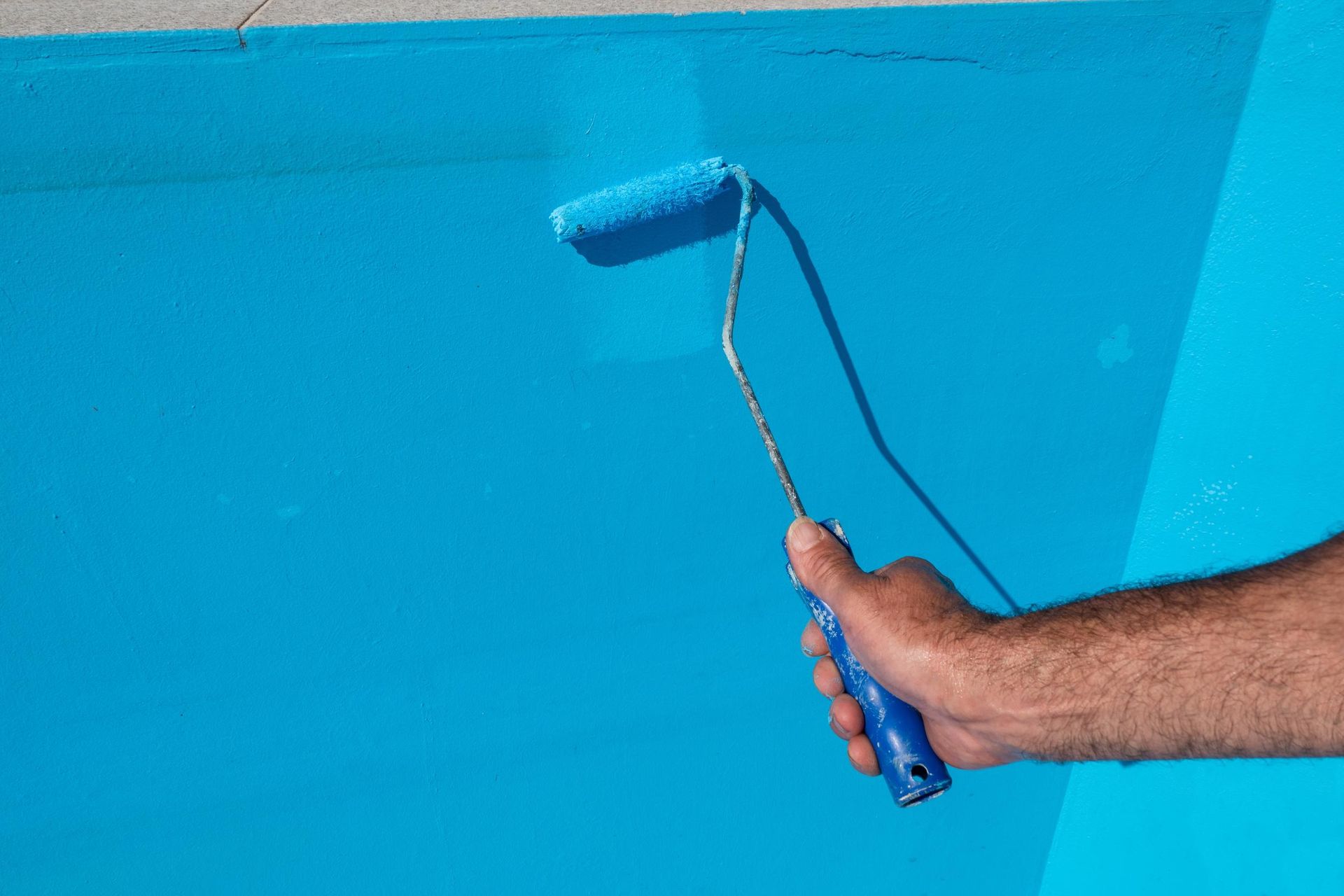
Pool painting is a practical and cost-effective surface renovation option for pools that have been previously painted, for older concrete pools where replastering is being deferred, and for pool owners who want to refresh the appearance of their pool at a lower cost than a full replaster. Unlimited Pools LLC handles the complete pool painting process in Warren and Bernardsville, NJ, from surface preparation through final coat application.
Why Surface Preparation Determines Paint Job Longevity
The longevity of a pool paint job is determined more by the quality of surface preparation than by the paint product itself. Paint applied to a surface that retains old peeling paint, algae contamination, calcium deposits, or chemical residue will fail prematurely regardless of the paint quality — it cannot bond to a compromised substrate. Unlimited Pools LLC performs thorough surface preparation on every painting project, including pressure washing, acid etching where appropriate, removal of all loose and peeling existing paint, and priming as required by the selected paint system.
Chlorinated Rubber Pool Paint
Chlorinated rubber paint is one of the most widely used pool paint systems and is compatible with concrete, plaster, and previously painted surfaces that used the same paint type. It applies easily, dries relatively quickly, and provides a smooth, cleanable finish. Chlorinated rubber paint requires that existing painted surfaces also be chlorinated rubber for compatibility — mixing paint types causes adhesion failures. It is a practical choice for pools that have an established history of chlorinated rubber paint use.
Epoxy Pool Paint
Epoxy pool paint is a two-component system that delivers significantly greater durability and chemical resistance than chlorinated rubber paint. Properly applied epoxy paint bonds tenaciously to prepared concrete and plaster surfaces and resists the chemical environment of pool water more effectively than single-component paint systems. Epoxy paint requires more exacting surface preparation and application conditions than chlorinated rubber but produces a harder, longer-lasting finish that justifies the additional preparation effort for pools where longevity is the primary concern.
Acrylic Pool Paint
Water-based acrylic pool paints offer easier application and faster return to service than epoxy systems and are compatible with a broader range of existing surface conditions. Acrylic paints are less durable than epoxy under sustained chemical exposure but are a practical option for above-ground pools and for pool owners who prioritize ease of application and recoating flexibility over maximum paint longevity.
Call Unlimited Pools LLC for professional pool painting in Warren & Bernardsville, NJ — get an expert recommendation on the right paint system for your pool.
Combining Acid Washing, Pressure Washing, and Painting
For many pools, the most comprehensive and cost-effective surface restoration involves combining acid washing, pressure washing, and painting into a single coordinated service. This approach is particularly appropriate for older concrete pools where the plaster surface has significant staining and surface wear but retains enough material thickness to support acid washing, and where painting will provide a refreshed, protective finish following the surface restoration.
The sequence begins with a complete pool drain followed by pressure washing to remove loose surface material and deposits. Acid washing follows to address deeper staining and to etch the surface chemically, which also improves paint adhesion on surfaces that will be painted. After the acid wash is neutralized and the surface is thoroughly rinsed and dried, painting proceeds with the appropriate paint system for the pool's surface type and history. Executing all three services in a single project minimizes the total time the pool is out of service and ensures each stage prepares the surface optimally for the next.
Contact Unlimited Pools LLC
in Warren, NJ to schedule a combined acid wash, pressure wash, and paint service for your pool —
reach out today.
Frequently Asked Questions About Pool Acid Washing, Pressure Washing & Painting in Warren & Bernardsville, NJ
How often should a pool be acid washed?
Pool acid washing is not a routine annual maintenance service — it is a restoration treatment performed when the pool surface has developed staining, scaling, or discoloration that cannot be addressed through normal chemical treatment and brushing. Most pools that are properly maintained with consistent water chemistry will go five to ten years between acid washes. Acid washing more frequently than necessary removes plaster material prematurely and shortens the overall lifespan of the surface
Is acid washing safe for all pool surfaces?
Acid washing is appropriate for concrete and plaster pool surfaces that retain adequate thickness. It is not appropriate for vinyl liner pools, fiberglass pools, or plaster surfaces that have already been acid washed multiple times and thinned to the point where additional material removal would compromise the surface. Unlimited Pools LLC evaluates surface condition and plaster thickness before recommending acid washing to confirm it is safe for your specific pool.
How long does pool acid washing take?
A standard residential pool acid wash typically takes one day to complete, including draining, acid application, neutralization, and thorough rinsing. The pool can begin refilling the same day the acid wash is completed. Full refill time depends on water source flow rate and pool volume, typically ranging from 12 to 24 hours for most residential pools.
What type of pool paint is best for a concrete pool?
Epoxy pool paint generally delivers the best performance on concrete pools in terms of durability, chemical resistance, and surface longevity. However, the correct paint choice also depends on what paint has been used on the pool previously — mixing incompatible paint systems causes adhesion failures that result in peeling. Unlimited Pools LLC identifies the existing paint type before recommending a replacement system to ensure compatibility and maximum performance.
How long does pool paint last?
Pool paint longevity varies by paint type and surface preparation quality. Epoxy pool paint applied to a properly prepared surface typically lasts five to seven years before recoating is needed. Chlorinated rubber paint generally requires recoating every three to five years. Acrylic paint has a shorter service interval of two to four years in most cases. All pool paints last longer when water chemistry is consistently maintained within proper ranges.
Can I paint over peeling pool paint?
Painting over peeling pool paint produces a paint job that fails quickly — the new coating has no sound substrate to bond to where the old paint is lifting, and the new paint peels along with the old within a short period. All loose and peeling existing paint must be removed completely before new paint is applied. Depending on the extent of peeling and the condition of the underlying surface, this may involve mechanical removal, acid etching, or a combination of both as part of a thorough surface preparation process.
Does pressure washing damage pool surfaces or decking?
Pressure washing performed with appropriate equipment settings and technique does not damage sound pool surfaces or decking. Excessive pressure on aged or already-compromised plaster, or on soft or cracked concrete decking, can cause surface damage. Unlimited Pools LLC uses pressure settings appropriate for each surface type to clean effectively without causing damage to the underlying material.
Will acid washing remove algae stains completely?
Acid washing is highly effective at removing algae staining from plaster pool surfaces, including staining from severe algae blooms where pigment has penetrated deep into the plaster pores. In most cases a thorough acid wash restores the surface to a significantly cleaner and brighter appearance. Extremely severe or long-standing algae staining in very old or porous plaster may leave some residual discoloration that cannot be fully removed without replastering.
How soon can a pool be refilled and used after acid washing?
A pool can begin refilling immediately after the acid wash is completed, rinsed, and neutralized. Swimming can typically resume once the pool is fully refilled and water chemistry has been established and balanced — generally within two to three days of the acid wash being performed. Water chemistry should be tested and adjusted carefully during the initial fill following an acid wash, as the freshly exposed plaster surface affects pH and alkalinity during the early fill period.
How do I get started with pool acid washing, pressure washing, or painting in Warren or Bernardsville, NJ?
Contact Unlimited Pools LLC directly to discuss your pool's current surface condition and what you are looking to achieve. Describing the type of staining or surface deterioration you are seeing, the pool's surface material, and any history of previous acid washing or painting helps determine the most appropriate service for your situation. Scheduling surface restoration services in the fall after pool closing or in early spring before opening maximizes the time available to complete the work and allows the pool to be ready for the season.


