
Pool Plastering Renovation in Warren & Bernardsville, NJ
The plaster surface of a concrete or gunite pool is the finished layer that defines how the pool looks, how it feels underfoot, and how well it holds water against the shell beneath it. Over time, pool plaster deteriorates — it etches, stains, develops rough patches, chips, or pulls away from the shell in sections — and when it reaches that point, replastering is not optional maintenance but a necessary renovation to restore the pool's structural integrity and usability. Unlimited Pools LLC provides professional pool plastering renovation services in Warren and Bernardsville, NJ, covering everything from standard white plaster resurfacing to premium aggregate and pebble finishes that transform the appearance of the pool entirely.
Call
Unlimited Pools LLC
today to schedule your pool plastering renovation in Warren or Bernardsville, NJ.
•POOL PLASTERING RENOVATION
How Pool Plaster Deteriorates Over Time
Pool plaster does not fail suddenly — it degrades progressively through a combination of chemical exposure, physical wear, and the natural aging of the material itself. Understanding how and why plaster deteriorates helps set realistic expectations for how long a plaster surface lasts and what conditions accelerate or slow that process.
Chemical Etching and Erosion
Water chemistry that is consistently out of balance is the primary driver of premature plaster deterioration. Water with low pH, low calcium hardness, or high total dissolved solids is aggressive toward plaster surfaces — it draws calcium out of the plaster matrix in a process called etching, leaving the surface rough, porous, and increasingly vulnerable to further chemical attack. Even pools with attentive maintenance experience some degree of chemical wear over time, but pools with chronic chemistry imbalances deteriorate significantly faster.
Physical Wear and Surface Abrasion
Foot traffic on pool floors and steps, pool toys, cleaning equipment, and the general physical activity of swimmers all contribute to gradual surface abrasion. Plaster surfaces in high-traffic areas — the shallow end floor, steps, and entry points — show wear earlier than less-trafficked sections. Over years of use this wear becomes visible as thinning, smoothing, or roughening of the surface depending on the plaster type and finish.
Delamination and Structural Separation
Delamination occurs when the plaster layer separates from the gunite or concrete shell beneath it. This can result from improper surface preparation during the original application, water infiltrating between the plaster and shell through cracks or porous areas, or chemical deterioration that weakens the bond at the interface. Delaminated plaster appears as hollow-sounding sections when tapped, visible bubbling or lifting of the surface, or areas where plaster has already separated and fallen away entirely.
Staining and Discoloration
Persistent staining from metals in the water, organic material, algae penetration into porous plaster, and chemical reactions between imbalanced water and the plaster surface all contribute to discoloration that cannot be removed through normal cleaning or chemical treatment. A heavily stained plaster surface that does not respond to acid washing or stain treatment has typically been chemically altered to the point where the surface layer needs to be replaced.
Contact
Unlimited Pools LLC
to evaluate your pool plaster condition in Warren, NJ — call now to determine if replastering is the right solution.
The Pool Replastering Process
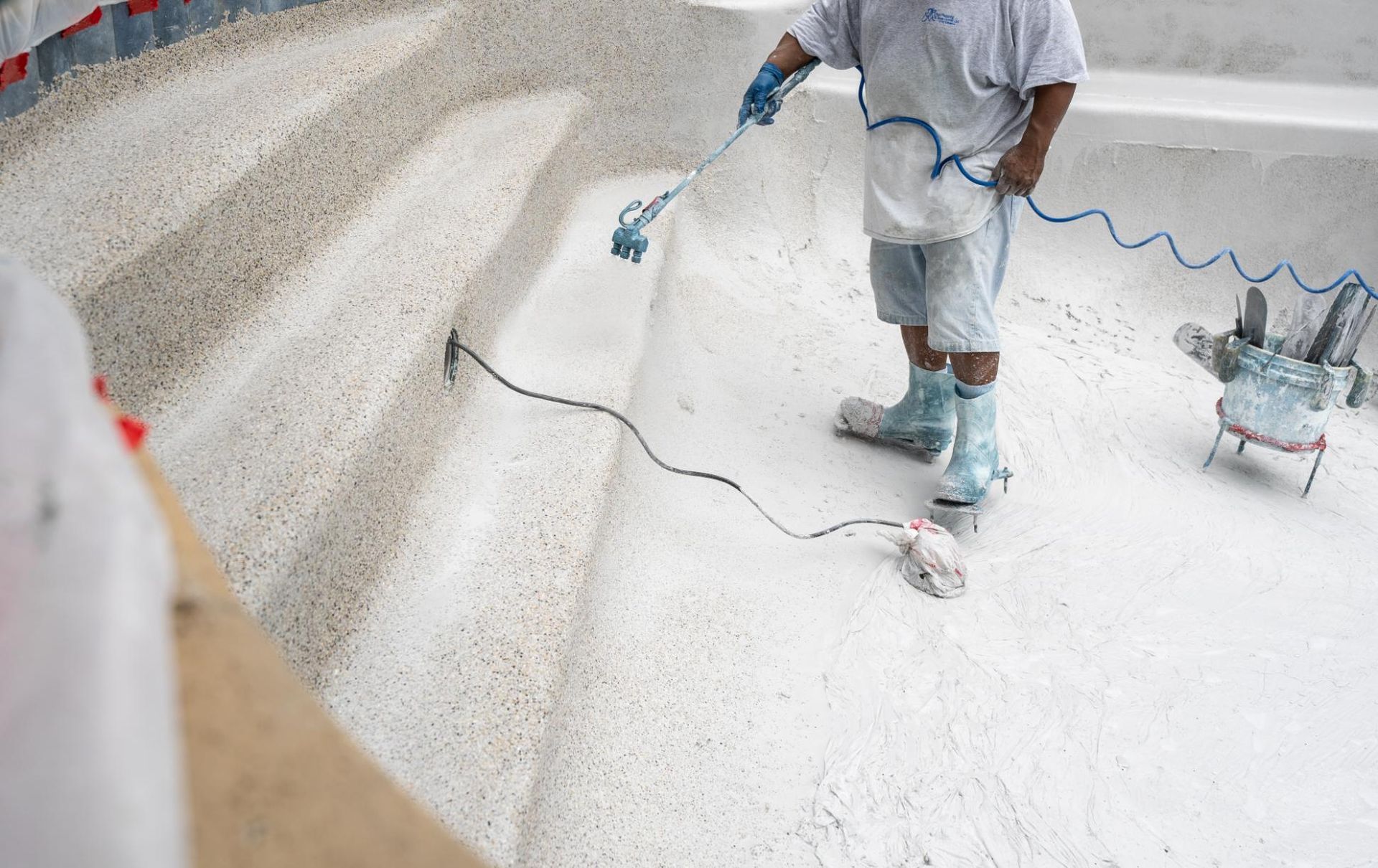
Pool plastering renovation is a multi-stage process that requires proper preparation, appropriate material application, and careful curing management to achieve a durable, high-quality result. Unlimited Pools LLC
follows a thorough process on every replastering project in Warren and Bernardsville, NJ to ensure the finished surface bonds correctly, cures properly, and delivers the expected lifespan.
Pool Draining and Old Plaster Removal
The pool is fully drained before any surface work begins. Depending on the condition of the existing plaster, the old surface is either chipped away mechanically or prepared through grinding and scarifying to create a clean, sound substrate for the new application. All delaminated sections, loose material, and contaminated plaster are fully removed. Any cracks in the underlying gunite or concrete shell are identified and addressed at this stage before the new plaster is applied.
Shell Crack Repair and Surface Preparation
Cracks in the pool shell that are exposed during plaster removal are repaired with hydraulic cement or appropriate structural patching material before resurfacing begins. Applying new plaster over unrepaired shell cracks results in those cracks reflecting through the new surface within a short period — a failure mode that is entirely preventable with proper preparation. The shell surface is wetted thoroughly before plaster application to prevent the dry substrate from drawing moisture out of the fresh plaster too quickly during the early curing stage.
Plaster Application
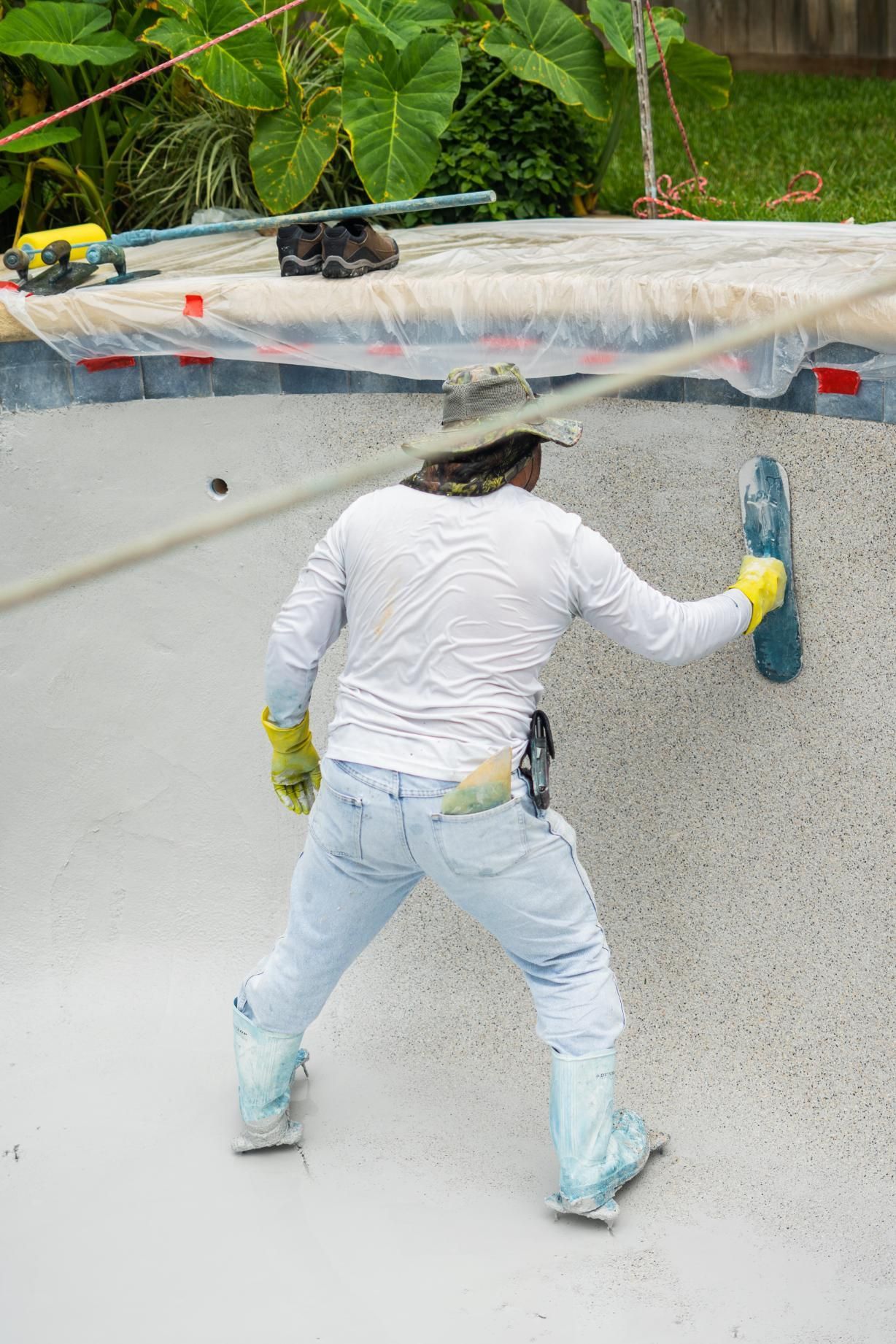
Pool plaster is applied by hand by experienced plasterers working in sections across the pool floor and walls. Achieving a consistent thickness — typically three-eighths of an inch for standard plaster applications — and a smooth, uniform finish requires significant skill and experience. The plaster is worked continuously from application through the initial set to maintain a consistent surface texture and to prevent cold joints or visible seams between application sections.
Initial Fill and Startup Chemistry
The pool is filled immediately following plaster application to begin the curing process under water. The first 28 days after replastering are the most critical period for plaster curing, and water chemistry during this window must be managed with particular care. Aggressive water during the startup period etches fresh plaster easily, causing surface roughness, discoloration, and premature deterioration. Unlimited Pools LLC provides startup chemistry guidance to protect the new plaster surface through the critical early curing period.
Schedule your pool plastering renovation with Unlimited Pools LLC
in Bernardsville, NJ —
reach out now
to get your project on the calendar.
Pool Plaster Finish Options
Standard white plaster is not the only option available for pool resurfacing, and many pool owners use a replastering project as an opportunity to upgrade their pool's appearance and durability with a premium finish material. Unlimited Pools LLC offers a range of finish options to suit different aesthetic preferences and performance requirements.
Standard White Plaster
White portland cement plaster is the traditional pool finish material and remains the most cost-effective resurfacing option. A properly applied and maintained white plaster surface delivers a clean, bright appearance and a functional lifespan of eight to twelve years depending on water chemistry management. White plaster gives pool water a classic blue appearance and is compatible with all standard pool chemical programs.
Quartz Aggregate Finishes
Quartz aggregate finishes blend white cement with colored quartz crystals to produce a surface that is harder, more stain-resistant, and more durable than standard plaster. The quartz particles give the surface a subtle sparkle and are available in a range of colors that produce different water color effects. Quartz finishes typically last fifteen years or more with proper maintenance and are significantly more resistant to chemical etching than plain plaster.
Pebble and Exposed Aggregate Finishes
Pebble finishes use small natural or synthetic pebbles embedded in a cement matrix to create a highly durable, textured surface with exceptional longevity. Pebble finishes are the most durable resurfacing option available, with properly maintained installations lasting twenty years or more. The texture is rougher than plaster or quartz, which some swimmers find less comfortable underfoot, but the durability and appearance benefits make pebble finishes a popular choice for pool owners who want a long-term renovation investment.
Call Unlimited Pools LLC in Warren, NJ to explore plaster finish options and get your replastering project started — contact us today.
Acid Washing as an Alternative to Full Replastering
Not every pool that shows surface deterioration requires full replastering. In cases where the plaster is structurally sound but has developed heavy staining, calcium scaling, or surface discoloration, acid washing can restore the appearance of the pool surface without the cost and scope of a full replaster.
Acid washing involves draining the pool completely and applying a diluted muriatic acid solution to the plaster surface, which dissolves the top layer of stained or scaled material and exposes fresh plaster beneath. The process is effective for staining and surface discoloration but removes a thin layer of plaster with each application — meaning it can only be performed a limited number of times before the plaster becomes too thin to acid wash again without requiring replastering. Unlimited Pools LLC evaluates plaster thickness and condition before recommending acid washing to ensure the existing plaster can support the process without being compromised.
Contact Unlimited Pools LLC
in Bernardsville, NJ to find out whether acid washing or full replastering is the right solution for your pool —
call now.
Frequently Asked Questions About Pool Plastering Renovation in Warren & Bernardsville, NJ
How long does pool plaster last in New Jersey?
Standard white plaster typically lasts eight to twelve years in New Jersey pools with consistent water chemistry maintenance. Premium quartz aggregate finishes extend that range to fifteen years or more, and pebble finishes can last twenty years or longer under proper care. New Jersey's seasonal climate means pools go through annual opening and closing cycles that place some additional stress on plaster surfaces, making water chemistry management particularly important for maximizing plaster lifespan.
How do I know when my pool needs to be replastered?
Signs that a pool needs replastering include rough or abrasive surface texture that is uncomfortable for swimmers, visible cracking or chipping of the plaster surface, hollow-sounding areas when the pool floor or walls are tapped indicating delamination, persistent staining that does not respond to treatment, and chronic water loss that originates from the pool shell rather than the plumbing. A pool that requires unusually high chemical consumption to maintain balance may also have a deteriorated plaster surface that is affecting water chemistry.
What is the difference between replastering and resurfacing?
Replastering specifically refers to the application of a new plaster layer to a concrete or gunite pool shell. Resurfacing is a broader term that encompasses replastering as well as the application of alternative finish materials such as quartz aggregate or pebble finishes. All replastering is resurfacing, but not all resurfacing involves traditional plaster — the term covers the full range of finish material options available for concrete and gunite pools.
How long does pool plastering renovation take?
The plastering process itself typically takes one to two days for a standard residential pool. However, the full project timeline from draining through completion of the initial startup chemistry period is longer. The pool needs to be filled immediately after plastering and carefully managed through the first 28-day curing period before normal chemical maintenance resumes. Plan for the pool to be out of service for approximately one week from draining through initial refill and basic startup, with the curing period extending several weeks beyond that.
Can pool plaster be applied over existing plaster?
Applying new plaster directly over old plaster is generally not recommended and in many cases produces poor results. Old plaster that is delaminating, cracking, or chemically contaminated does not provide a sound bonding surface for new material, and any failures in the existing layer will eventually telegraph through the new application. Proper replastering involves removing the existing plaster to expose a sound substrate before new material is applied, which is the approach Unlimited Pools LLC follows on every project
Why is my pool plaster rough and how do I fix it?
Rough pool plaster is most commonly caused by chemical etching from chronically low pH or calcium hardness, physical abrasion from years of use, or calcium nodules and scaling that develop on the surface from high calcium hardness water. Mild roughness in otherwise sound plaster can sometimes be addressed with an acid wash. Roughness caused by significant etching or widespread calcium deposits on aging plaster typically indicates that the surface has deteriorated beyond what acid washing can correct, and replastering is the appropriate solution.
How soon can I swim after pool replastering?
Swimming in a freshly plastered pool is generally possible within one to two weeks of the initial fill, once water chemistry has been established and stabilized within proper ranges. However, the plaster continues to cure for approximately 28 days after application, and during this period water chemistry management is particularly critical. Extended exposure to improperly balanced water during the curing period can permanently affect the appearance and durability of the new surface.
Does pool plaster color affect water temperature or chemical use?
Plaster color affects water appearance significantly — lighter colors produce brighter, bluer water while darker plaster creates a deeper, more dramatic look — and also has a minor effect on water temperature, as darker surfaces absorb slightly more solar heat. Plaster color does not meaningfully affect chemical consumption or maintenance requirements. The choice of color and pattern is primarily an aesthetic decision.
What causes pool plaster to crack?
Pool plaster cracks from several causes including settlement or movement in the underlying gunite or concrete shell, thermal expansion and contraction from temperature cycling, dehydration of the plaster during application or early curing if the surface dries too quickly, and chemical deterioration that weakens the plaster matrix over time. Cracks that follow the contours of the pool and appear gradually are typically the result of shell movement, while map cracking — a network of fine surface cracks — often indicates chemical deterioration or improper application.
How do I get started with pool plastering renovation in Warren or Bernardsville, NJ?
Contact Unlimited Pools LLC to arrange an on-site assessment of your pool's plaster condition. The evaluation covers the extent of surface deterioration, the condition of the underlying shell, and a discussion of available finish options and their respective costs and longevity. Scheduling replastering in the fall after pool closing or in early spring before the season begins minimizes downtime during swim season and allows the curing period to be completed before the pool sees heavy use.


